Thursday, October 18, 2012
Sunday, October 14, 2012
Technology in the Art Room
Technology has
made a significant impact on education and how teaching and communicating ideas
can be approached. Generating interest and focusing attention on lessons can be
achieved more effectively by incorporating media that appeals to students
different learning styles.
Projectors can clearly
display large digital images and are great for focusing student attention on
presentations. Incorporating audio and video will also add to the interest
level in the classroom. The Internet provides an impressive array of materials
to increase student learning and there are many resources available to
educators.
Demonstrating art processes to large classes
can be challenging. Gathering students around a table can lead to many difficulties
with attention and typically space is limited. Document cameras are a great
resource for educators and can display everything from printed material to
painting techniques without disruption.
Student access to
computers is also a great addition to the art room. Digital art and design work
is a necessary component of any art curriculum and it is important to provide
students with current technology to experiment with creatively. There are many great
drawing and art history aps for iPads and students could use them easily without
the need for additional space or the transition time that is involved with
traditional computer labs.
Saturday, October 6, 2012
Art Education & Art Advocacy
If you are
passionate about art and education, you will naturally recognize the importance
of your role in both your school and community as an art advocate. Spending
time to create visual interest in your classroom, the school and your community,
is an important role of an art educator and there are many benefits involved
with visually interesting learning environments.
Inspiring and
coordinating your students to work collaboratively on a school mural or mosaic
can add something unique to your building and help create a positive learning
environment, along with bringing recognition to both your students and the art
department. Engaging students with community partners can also provide
opportunities for real world learning situations, while creating public artwork
that benefits the community. Encouraging these activities is also a great
opportunity for students to take part in student led projects, where they
handle the majority of the design and execution while the educator acts primarily
as a facilitator.
Friday, October 5, 2012
Tuesday, October 2, 2012
Typography Animals & Self Portraits
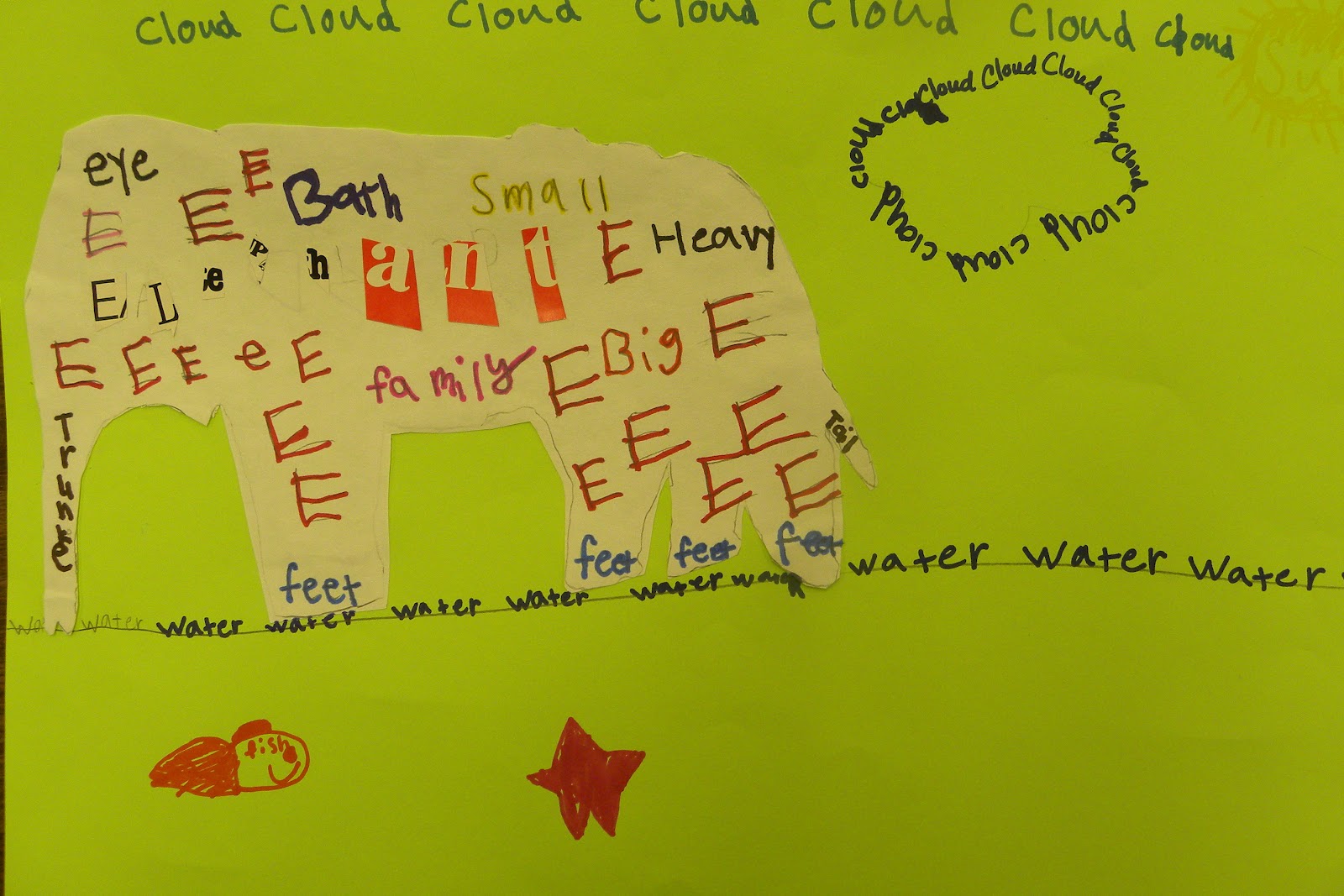
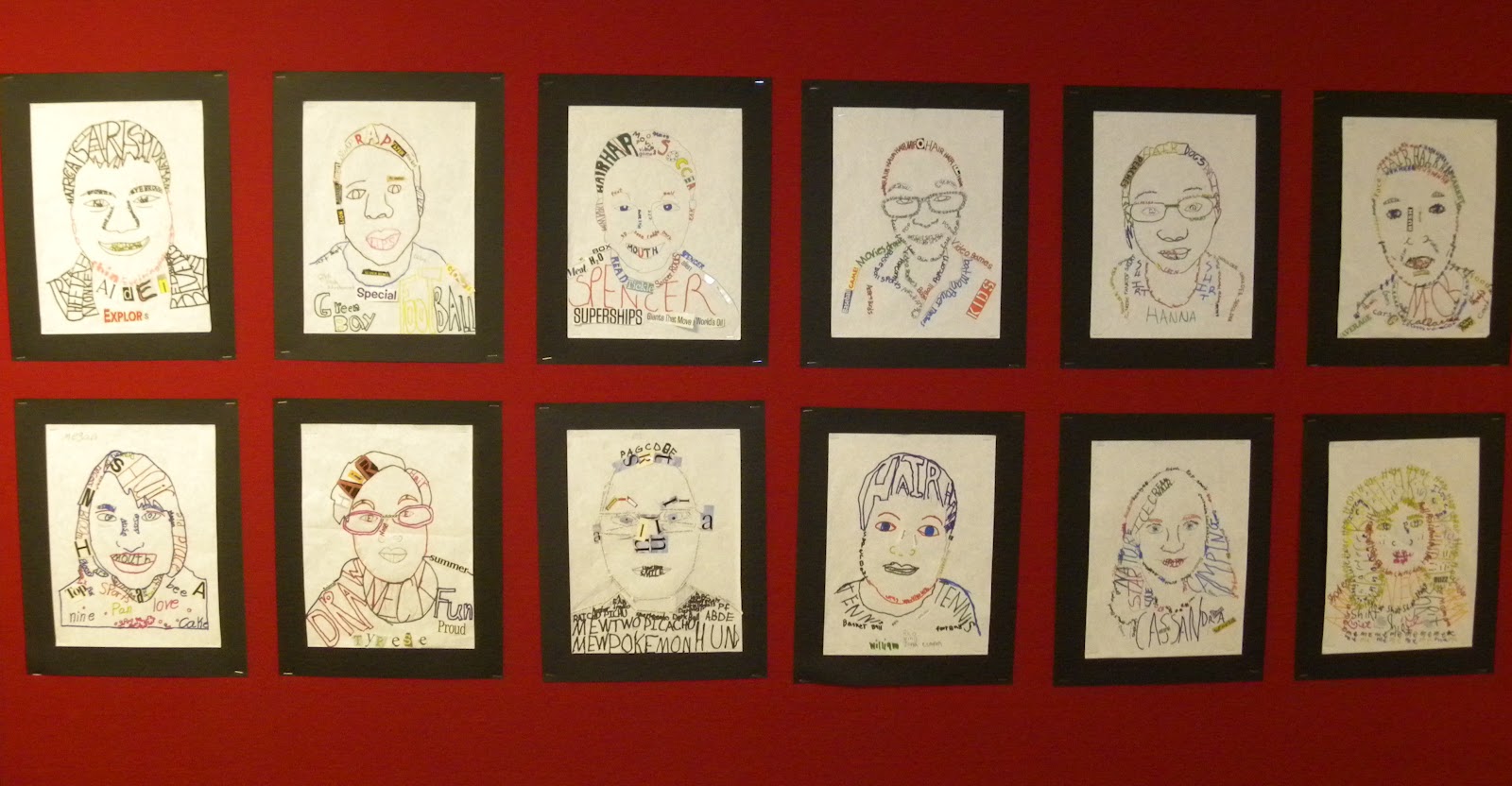
Here are the images from the two typography lessons I am finishing up. The third grade created animals and the fourth grade developed self-portraits. The first few images are the examples I made for the students but I think their work turned our great. The other groups will finish tomorrow and I will add a couple more examples.
Monday, October 1, 2012
Paul Klee Inspired Birds
Here are the images from the kindergarten students. They completed a lesson about Paul Klee and his work involving birds. The students used simple shapes to create birds and added water color to complete their background.
.
Assessments in the Art Room
-->
An
assessment is an important tool and serves as an indication of the abilities of
both the instructor and the student. The ability of a student to successfully meet
the requirements of a lesson tends to be a reflection of how clearly the
educator is presenting and communicating the objectives. There are a variety of
factors that will impact the final outcome of an art project and an assessment
will provide the opportunity for students to evaluate where they might have
struggled and educators to look for reoccurring indications of confusion or
other problems.
Self-assessments
provide an opportunity for students to offer their perspective and feedback on
projects. A self-assessment should be clear, short and simple. Providing a
column for the student to evaluate their own work, another for your evaluations,
and another for comments will encourage communication between students and
teachers. This is a great way to determine what improvements you might want to
make to your lessons and what projects are more engaging for students.
Subscribe to:
Posts (Atom)